College of Engineering & Technology

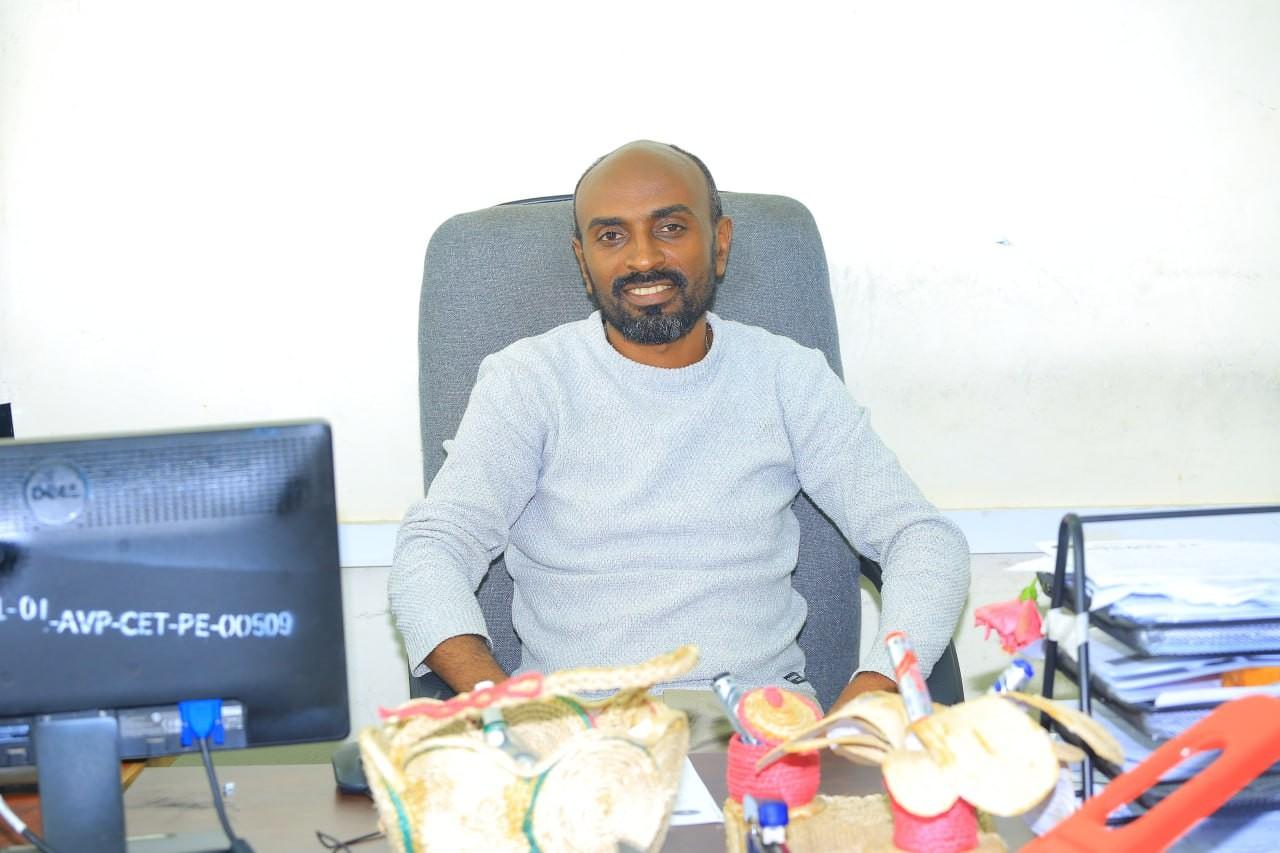
Department Head of Chemical Engineering
Mr. Zeynu shamil awol
Contact Information:
Phone: +251912879228
Email:
Objectives/Goals
Shaping the Future through Innovation and Sustainability
The Department of Chemical Engineering at Wolkite University serves as a dynamic center of academic excellence and applied research. Our mission is to cultivate a new generation of engineers equipped to drive Ethiopia’s industrial development while addressing pressing global challenges related to sustainability, resource efficiency, and environmental responsibility.
We combine rigorous theoretical education with practical innovation, empowering our students to design, optimize, and revolutionize processes across diverse sectors from energy and manufacturing to pharmaceuticals and food technology.
Our Vision
To be a nationally and regionally recognized center of excellence in chemical engineering education, research, and innovation, contributing to sustainable industrial development and global scientific progress.
Our Mission and Core Commitments
- World-Class Education: Deliver high-quality education in core areas such as process engineering, environmental systems, materials science, and biotechnology. The curriculum blends theory with real-world problem-solving and industrial relevance.
- Pioneering Research and Innovation: Advance scientific knowledge through research in sustainable energy, green chemistry, waste valorization, pollution control, and process intensification contributing to both national priorities and global innovation.
- Industry-Oriented Solutions: Support Ethiopia’s industrial growth by providing scalable, efficient, and sustainable engineering solutions in key sectors including petrochemicals, food processing, pharmaceuticals, and renewable energy.
- Sustainability and Ethical Responsibility: Promote responsible engineering practices by embedding circular economy principles, environmental stewardship, and ethical decision-making in all aspects of education and practice, in alignment with the Sustainable Development Goals (SDGs).
- Global Collaboration and Technology Transfer: Foster partnerships with industries, international universities, and research institutions to enhance academic quality, promote joint research, and ensure students graduate with globally competitive skills and perspectives.
The Head of the Department of Chemical Engineering is expected to achieve the following strategic goals:
- Provide Quality Education in Chemical Engineering: Ensure the delivery of relevant, rigorous, and industry-aligned education that equips students with theoretical knowledge and practical skills.
- Advance Research and Technological Innovation: Promote research that addresses national development priorities in energy, environment, manufacturing, and process engineering.
- Develop Practical Skills and Industry Readiness: Foster student competencies through laboratory work, industrial attachment, and real-world problem-solving.
- Strengthen Academic Staff Capacity: Build a competent academic team through professional development, postgraduate education, and mentorship.
- Promote Industry Linkages and Community Engagement: Establish partnerships with chemical industries, manufacturing sectors, and local communities for mutual collaboration and service.
- Ensure Academic Quality and Regulatory Compliance: Uphold high academic standards through effective implementation of HERQA guidelines and internal quality assurance mechanisms.
- Support Institutional Mission and Strategic Plan: Align departmental initiatives with Wolkite University’s strategic goals in science, technology, research, and community impact.
Duties and Responsibilities
A. Academic Leadership
- Lead the planning, implementation, monitoring, and review of Chemical Engineering curricula.
- Ensure integration of core areas such as thermodynamics, transport processes, reaction engineering, process control, and safety.
- Encourage adoption of student-centered and experiential learning methods.
B. Administrative Management
- Develop and execute the department’s annual plan, budget, and academic calendar.
- Manage course distribution, teaching assignments, examination schedules, and facility usage.
- Maintain proper documentation and administrative records in line with university policies.
C. Faculty Development and Supervision
- Allocate teaching and administrative responsibilities fairly and strategically.
- Facilitate staff development through in-house training, postgraduate opportunities, and research involvement.
- Conduct regular performance evaluations and recommend appropriate recognition or development interventions.
D. Research and Innovation Promotion
- Support faculty and student research projects in renewable energy, environmental technology, bioprocessing, and sustainable manufacturing.
- Encourage publication of research findings and presentation at conferences.
- Facilitate collaborative research with other institutions and industries.
E. Student Development and Academic Support
- Ensure effective academic advising, mentorship, and supervision of senior design and research projects.
- Monitor student performance, address academic issues, and promote student engagement in professional and extracurricular activities.
- Organize field visits, seminars, workshops, and practical training programs.
F. Industry and Community Engagement
- Build relationships with industrial partners for internships, joint projects, and technology transfer.
- Promote consultancy services and community-based problem-solving using chemical engineering expertise.
- Involve industry experts in curriculum review and guest lectures.
G. Quality Assurance and Accreditation
- Implement continuous quality improvement in teaching, research, and administration.
- Prepare the department for internal and external academic audits and HERQA evaluations.
- Collect and analyze stakeholder feedback for curriculum and service enhancement.
H. Strategic Participation and Governance
- Represent the department in college-level and university-wide decision-making bodies.
- Contribute to institutional strategic planning, policy formulation, and academic development.
- Uphold transparency, accountability, and inclusive leadership within the department.

Head of the Department of Architecture
Mr. Mintesnot Taderegew
Contact Information:
Phone: +251965165565
Email:
THE MAIN PROGRAM OBJECTIVE
“To provide broad-based design knowledge and skills in Architecture.”
Architecture is one of the key disciplines that significantly contribute to the cultural, social, and economic development of a nation. The main objectives of the Architecture program are to provide a comprehensive education and training in architectural design; to empower graduates to be creative, adaptable, and problem-solvers in response to the dynamic and complex challenges of the built environment. These challenges demand the ability to integrate existing knowledge in innovative ways, create sustainable and contextually responsive solutions, and preserve as well as reinterpret Ethiopia’s rich architectural heritage.
Furthermore, the program seeks to initiate, promote, and sustain research activities that contribute to the advancement of architectural knowledge and practice in Ethiopia. The construction and design sectors require professionals with a strong foundation in both the technical and cultural aspects of architecture. This workforce must be capable of translating vision into practical and sustainable built environments.
The Architecture program prepares students from diverse backgrounds to become design leaders and innovators by offering a professional learning environment that blends theory with practice through studio-based learning and engagement with real-world architectural issues.
Objectives/Goals
The Head of the Department of Architecture is expected to achieve the following goals:
- Ensure Academic Excellence in Architectural Education: To provide visionary leadership in delivering quality and relevant architectural education that prepares students to address societal, environmental, and urban challenges.
- Promote Creative and Sustainable Design Thinking: To develop a curriculum and academic culture that encourages innovation, sustainability, cultural sensitivity, and the integration of traditional and modern architectural practices.
- Foster Research and Practice-Based Learning: To enhance the department’s research capacity in architecture and urbanism and promote practice-oriented, interdisciplinary learning.
- Prepare Graduates for Professional Practice: To ensure that graduates are equipped with theoretical knowledge, technical competence, and ethical standards to thrive in professional architectural practice or pursue further studies.
- Strengthen Community and Industry Linkages: To create strong partnerships with local governments, communities, architectural firms, and construction industries for collaborative learning and community-based projects.
- Support Institutional Capacity and Staff Development: To build a highly qualified and motivated academic team that can deliver quality instruction, conduct research, and engage in professional service.
- To foster creativity and innovation through hands-on studio projects and interdisciplinary collaboration.
In summary, the Architecture program is designed to equip students with a robust foundation in architectural design, technical proficiency, and critical thinking. It fosters creativity and innovation while instilling a deep appreciation for cultural heritage, environmental responsibility, and sustainable design principles. Through intensive studio work, interdisciplinary research, and collaborative community-focused projects, the program prepares graduates to become impactful contributors to the architectural profession and to the development of thoughtful, resilient, and inclusive built environments.
Duties and Responsibilities
A. Academic Leadership and Program Management
- Lead the planning, implementation, and continuous evaluation of undergraduate and postgraduate Architecture programs.
- Ensure the integration of architectural design studios, theory, history, building technology, and sustainability into the curriculum.
- Encourage design competitions, exhibitions, and interdisciplinary projects as part of the academic experience.
B. Curriculum Development and Quality Assurance
- Coordinate curriculum reviews to align with current architectural trends, technological advancements, and national development priorities.
- Ensure that the curriculum emphasizes creativity, critical thinking, cultural relevance, and environmental responsibility.
C. Administrative and Operational Leadership
- Prepare and manage the department’s strategic plan, annual work plans, budgets, and activity reports.
- Allocate courses, studio sessions, and teaching loads based on staff specialization and policy guidelines.
- Maintain proper records of course delivery, student progress, and departmental activities.
D. Faculty Management and Development
- Support the professional development of academic staff through training, postgraduate education, and participation in conferences.
- Supervise and evaluate staff performance and provide mentoring and support as needed.
- Facilitate a collegial and collaborative departmental culture.
E. Research, Design, and Innovation
- Encourage staff and students to engage in research and design projects related to sustainable architecture, urban design, housing, heritage conservation, and construction technologies.
- Promote publication of research in national and international journals and platforms.
- Support interdisciplinary and community-based architectural research.
F. Student Support and Development
- Ensure the provision of academic advising, portfolio reviews, and project supervision.
- Monitor student performance, address academic challenges, and provide opportunities for extracurricular learning.
- Promote student participation in workshops, design expos, field trips, and internships.
G. Community Engagement and Professional Collaboration
- Lead the department in implementing community-based design and construction projects that address local development needs.
- Build relationships with architectural firms, construction companies, municipalities, and regulatory bodies for student internships, professional exposure, and joint initiatives.
- Engage alumni and practitioners in departmental reviews, lectures, and jury panels.
H. Strategic and Institutional Participation
- Represent the department in university councils, academic commissions, and strategic forums.
- Align departmental activities with the vision, mission, and strategic goals of Wolkite University.
- Participate in national dialogues on architectural education, urban planning, and sustainable development.