
College of Agriculture and Natural Resource Management
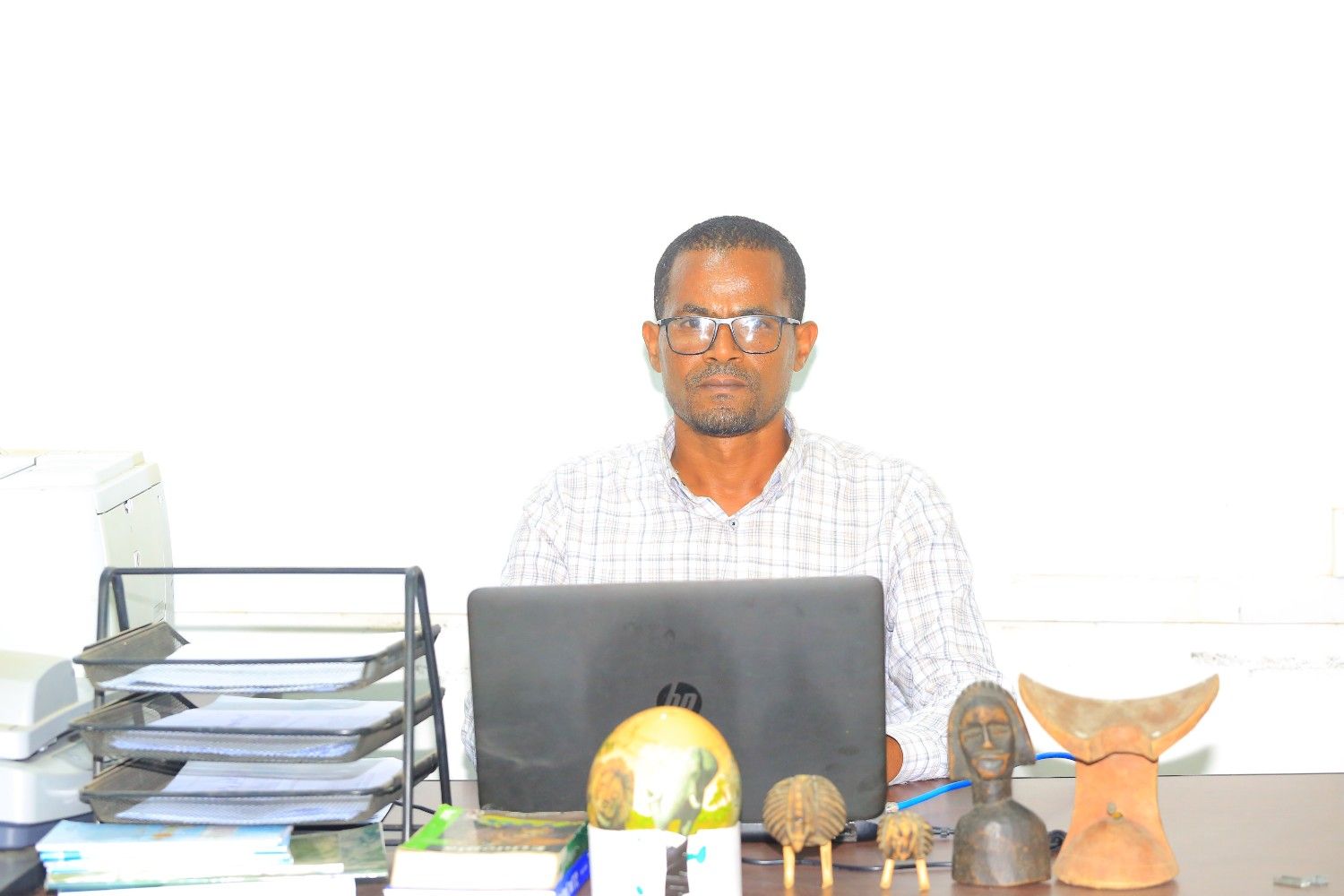
Head of Department of Wildlife and Ecotourism Managemt
Dr. Abera Aboset
Phone:- +251911012380
An Overview of Department of Wildlife and Ecotourism Management
The Department of Wildlife and Ecotourism Management at Wolkite University is an emerging academic department under the College of Agriculture and Natural Resources. It is established to address the growing national and global demand for professionals in the conservation of biodiversity, sustainable wildlife utilization, and the promotion of eco-friendly tourism.
The department aims to produce graduates with a strong foundation in ecological sciences, wildlife conservation, natural resource management, and ecotourism planning. It combines theoretical instruction with hands-on training in protected area management, habitat assessment, wildlife monitoring, community-based conservation, and nature-based tourism development.
Given Ethiopia’s rich biodiversity and ecotourism potential, the department is strategically positioned to contribute to sustainable development, environmental conservation, and cultural heritage preservation.
Objectives/Goals
- Produce Skilled Wildlife and Ecotourism Professionals: Train professionals capable of managing wildlife habitats, conserving biodiversity, and developing ecotourism sites.
- Promote Biodiversity Conservation: Support the sustainable management of ecosystems and wildlife resources through scientific and community-based approaches.
- Enhance Sustainable Ecotourism Development: Contribute to responsible tourism that benefits local communities while preserving natural and cultural heritage.
- Strengthen Research in Wildlife and Tourism Management: Conduct multidisciplinary research on wildlife ecology, tourism impacts, conservation strategies, and ecosystem services.
- Support Policy and Protected Area Governance: Provide expertise and technical input to policy-making and the effective management of national parks, wildlife reserves, and community conservation areas.
- Encourage Community Participation and Environmental Stewardship: Empower local communities to actively engage in ecotourism ventures and wildlife conservation efforts.
Duties and Responsibilities
Academic Programs
- Deliver undergraduate courses in wildlife biology, conservation planning, ecotourism development, park and recreation management, and environmental interpretation.
- Provide field-based training and internships in national parks, community conservation areas, and tourism destinations.
- Guide students in research projects, case studies, and final-year theses.
Research and Knowledge Generation
- Conduct research on endangered species, habitat degradation, eco-tourism impact assessments, and human-wildlife interactions.
- Publish findings in scientific journals and contribute to biodiversity databases and tourism development strategies.
Community Outreach and Extension
- Work with local communities to develop and manage community-based ecotourism enterprises.
- Offer awareness programs on conservation, wildlife laws, and sustainable tourism practices.
Capacity Building and Training
- Organize workshops, short courses, and training sessions for park managers, tour guides, eco-entrepreneurs, and local officials.
- Produce training manuals and conservation education materials.
Collaboration and Networking
- Partner with government bodies such as the Ethiopian Wildlife Conservation Authority, NGOs, and international conservation organizations.
- Support interdisciplinary collaboration within the university for environmental research and sustainable tourism initiatives.
Policy and Planning Support
- Provide advisory services for protected area planning, tourism development, and conservation policy formulation.
- Participate in national and regional platforms for biodiversity and tourism policy dialogue.
Facility and Resource Management
- Manage departmental resources including GIS labs, herbariums, specimen collections, and eco-trails for educational and research use.
- Promote eco-friendly campus activities and student-led conservation clubs.
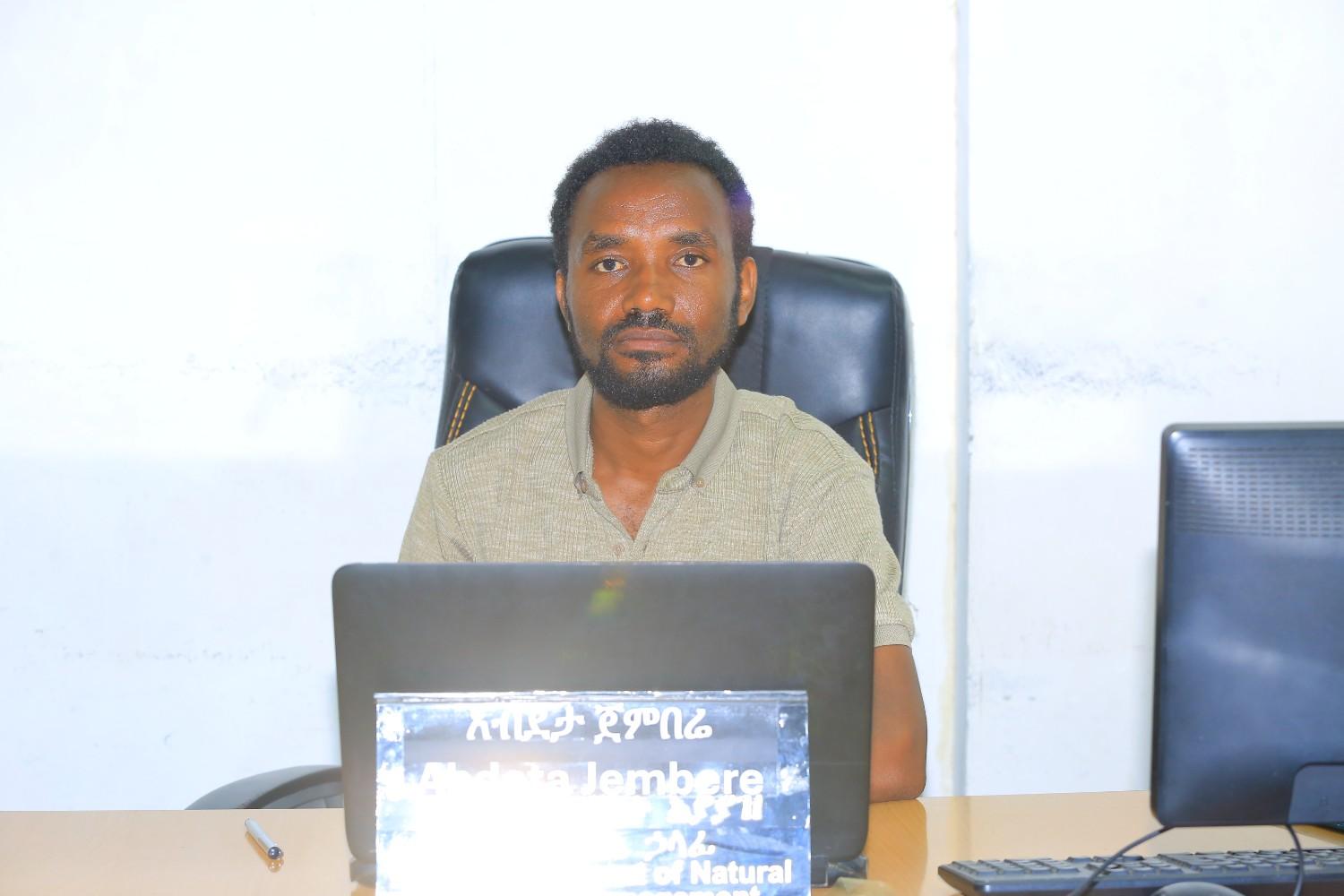
Head of Department of Natural Resource Management
Mr. Abdeta Jembere
Contact Information:
Phone: +251917047855
Email:
An Overview of Department of Natural Resource Management
The Department of Natural Resource Management (NRM) at Wolkite University is a vital academic unit under the College of Agriculture and Natural Resources. The department is dedicated to the sustainable management and conservation of natural resources, including soil, water, forests, and biodiversity. It plays a significant role in promoting ecological balance, environmental protection, and sustainable rural livelihoods.
Through its academic programs, applied research, and community engagement, the department trains skilled professionals who can address environmental degradation, climate change, land use conflicts, and resource scarcity. The department also fosters interdisciplinary collaboration and policy engagement to support Ethiopia’s commitment to sustainable development.
Objectives/Goals
- Develop Skilled Natural Resource Managers: Train competent professionals who can plan, implement, and evaluate sustainable natural resource management strategies.
- Promote Sustainable Land Use and Environmental Conservation: Contribute to the development and application of sustainable practices in soil conservation, watershed management, forestry, and climate adaptation.
- Advance Research in Natural Resource Management: Generate research-based solutions to challenges such as land degradation, deforestation, water scarcity, and biodiversity loss.
- Support Community-Based Resource Management: Strengthen the capacity of local communities to manage their natural resources sustainably and equitably.
- Influence Environmental Policy and Practice: Provide research-based inputs for policy-making in natural resource governance, climate change mitigation, and environmental planning.
- Promote Climate-Resilient Development: Integrate climate-smart and nature-based solutions into rural development initiatives.
Duties and Responsibilities
Academic Programs
- Design and implement undergraduate programs in Natural Resource Management.
- Deliver coursework in areas such as soil and water conservation, forest management, land use planning, watershed management, climate change, and environmental impact assessment.
- Supervise student research, fieldwork, and community-based projects.
Research and Innovation
- Conduct research on sustainable land management, agroforestry, ecological restoration, and natural resource economics.
- Publish and disseminate research findings to inform practice and policy.
Extension and Community Engagement
- Engage with local communities, farmers, and development agents to promote sustainable practices.
- Support community-based resource conservation projects and provide technical assistance.
Environmental Advocacy and Awareness
- Promote environmental awareness through campaigns, workshops, and school-based programs.
- Collaborate with local government and NGOs to implement environmental education and conservation initiatives.
Capacity Building
- Organize short-term training, seminars, and workshops for natural resource professionals and community stakeholders.
- Develop manuals and tools for participatory natural resource management.
Institutional Collaboration
- Participate in interdisciplinary research and development projects within the university and with external partners.
- Contribute to curriculum development, quality assurance, and strategic planning at college and university levels.
Sustainable Resource Use Monitoring
- Support the development and use of tools for monitoring land degradation, forest cover change, and water quality.
- Promote evidence-based decision-making through geospatial analysis and environmental assessment.
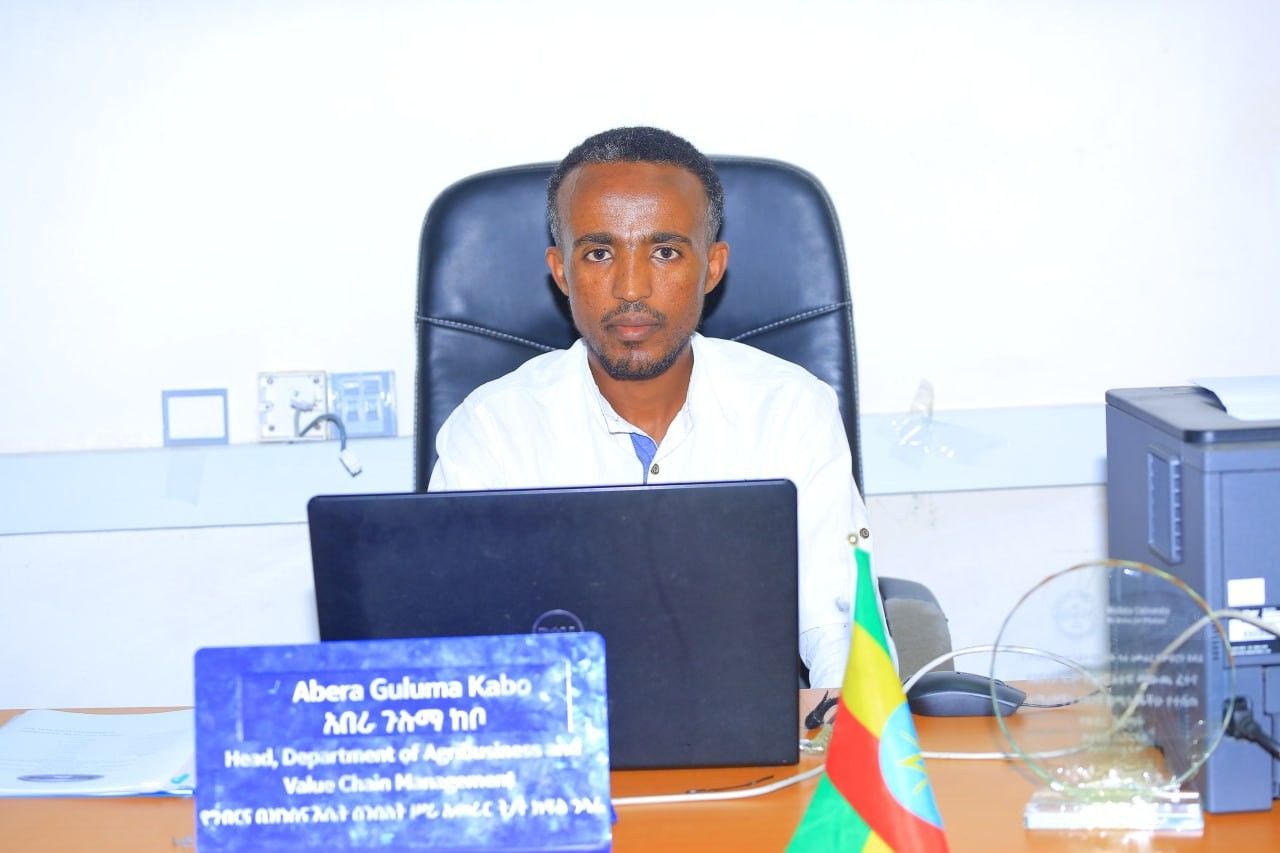
Head of Department of Agribusiness and Value Chain Managment
Mr. Abera Guluma Kabo
Contact Information:
Phone: +251911551704
Email:
Overview
The Department of Agribusiness and Value Chain Management at Wolkite University is a strategic academic unit within the College of Agriculture and Natural Resources. The department is dedicated to producing graduates with interdisciplinary skills in agribusiness operations, agro-economics, value chain development, and market analysis. It aims to bridge the gap between agricultural production and market systems, enhancing the efficiency, profitability, and sustainability of agricultural enterprises in Ethiopia.
Through academic instruction, applied research, and community engagement, the department contributes to improving the agricultural marketing system, strengthening farmer-market linkages, promoting agro-industrial development, and supporting policy implementation in the agri-food sector.
Objectives / Goals
- Produce Competent Agribusiness Professionals: Train students with practical knowledge and entrepreneurial skills to manage and lead agribusiness firms, cooperatives, and value chain systems.
- Enhance Agricultural Market Systems: Contribute to the development of efficient and equitable agricultural marketing systems that improve farmer incomes and market competitiveness.
- Promote Value Chain Development: Strengthen the integration and performance of agricultural value chains from production to consumption.
- Foster Research and Innovation: Conduct market-oriented research that addresses bottlenecks in agribusiness development, rural finance, and value chain governance.
- Support Agricultural Policy and Development Planning: Provide evidence-based input to inform policy and program design in agribusiness and rural development.
- Strengthen University-Industry-Community Linkages: Collaborate with stakeholders in agribusiness, government, and development sectors to support economic transformation and job creation.
Duties and Responsibilities
Academic Roles
- Develop and deliver undergraduate programs in Agribusiness and Value Chain Management.
- Design relevant courses covering agribusiness management, agricultural marketing, value chain analysis, entrepreneurship, and agribusiness finance.
- Supervise student research projects, internships, and industry placements.
Research and Innovation
- Conduct research on value chain development, agribusiness models, rural entrepreneurship, and agricultural trade.
- Publish research findings and share best practices to improve agricultural market systems and enterprise development.
Industry and Market Linkage Development
- Facilitate partnerships with agribusiness firms, cooperatives, and farmer organizations.
- Engage in consultancy and collaborative projects with the private sector and NGOs.
Community and Extension Services
- Provide training and technical support to farmers, agribusiness owners, and cooperative leaders on business planning, marketing, and value addition.
- Implement community-based agribusiness projects that promote local economic development.
Capacity Building and Outreach
- Organize workshops, seminars, and training programs for agricultural professionals, traders, and policy makers.
- Develop extension materials and manuals related to agribusiness operations and value chain improvement.
Institutional Contributions
- Contribute to curriculum development, quality assurance, and strategic planning at college and university levels.
- Actively participate in interdisciplinary collaboration and policy dialogue initiatives.
Resource Management and Infrastructure Development
- Support the management of agribusiness labs, demonstration sites, and enterprise development centers.
- Assist in mobilizing resources and partnerships to support departmental programs and research.
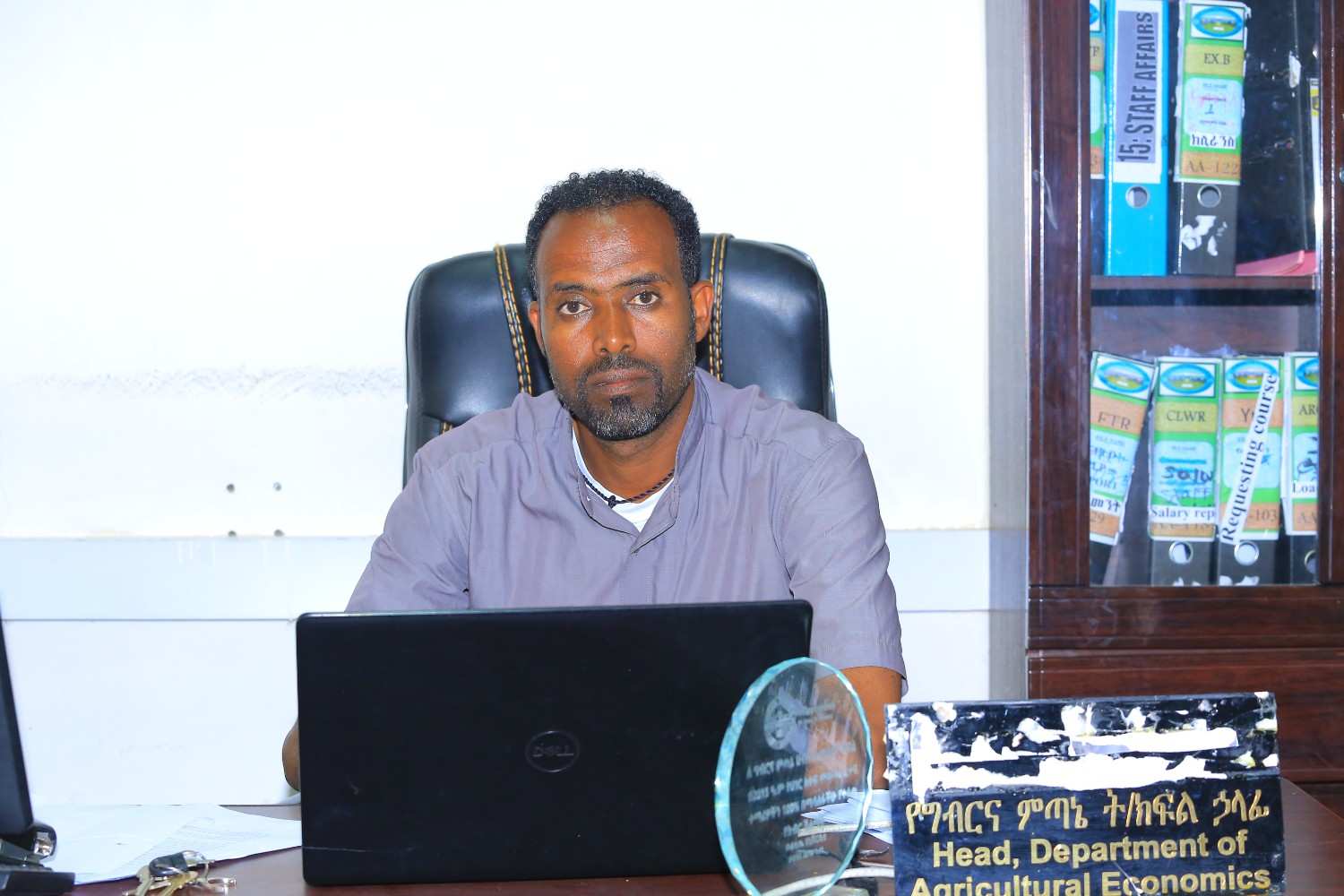
Head of Department of Agricultural Economics
Mr. Tadele Alemayehu Temesgen
Contact Information:
Phone: 251912304837
Email:
An Overview Department of Agricultural Economics
The Department of Agricultural Economics at Wolkite University is a key academic and research unit under the College of Agriculture and Natural Resources. The department is committed to advancing knowledge in agricultural and rural economics by training professionals who are capable of analyzing and addressing issues related to agricultural production, resource use, agrarian policy, rural development, and food security.
By offering rigorous academic programs, conducting applied economic research, and engaging in community service, the department contributes to the formulation of agricultural policy, supports evidence-based decision-making, and promotes the socio-economic development of Ethiopia’s rural population.
Objectives/Goals
- Train Competent Agricultural Economists: Develop graduates with analytical and practical skills to work in agricultural planning, policy analysis, rural finance, development economics, and resource management.
- Promote Evidence-Based Decision-Making: Generate and disseminate research that informs agricultural and rural development policy at local, regional, and national levels.
- Enhance Agricultural Productivity and Efficiency
Apply economic principles to improve resource allocation, production efficiency, and market integration in the agricultural sector. - Support Food Security and Rural Development: Contribute to addressing poverty, food insecurity, and inequality through research, teaching, and outreach.
- Foster Innovation and Entrepreneurship: Encourage innovation in agribusiness, cooperative development, and agricultural finance through economic analysis and training.
- Engage in Institutional and Community Partnerships: Collaborate with stakeholders in government, academia, civil society, and the private sector to improve rural livelihoods and promote sustainable development.
Duties and Responsibilities
Academic Programs
- Design and offer undergraduate programs in Agricultural Economics.
- Teach core and elective courses in areas such as microeconomics, macroeconomics, agricultural policy, farm management, econometrics, and rural development.
- Supervise student research projects, fieldwork, and internships.
Research and Publication
- Conduct research on agricultural production economics, land use, food systems, market access, and rural livelihoods.
- Publish scholarly articles, working papers, and policy briefs to disseminate research findings.
Policy and Development Analysis
- Provide technical support and consultancy to government and development partners in the areas of agricultural policy, land reform, and economic planning.
- Participate in national and regional forums on rural development and economic transformation.
Community Engagement and Extension
- Support local communities through capacity-building activities on farm budgeting, market analysis, and cooperative management.
- Collaborate with farmers, cooperatives, and rural institutions to improve economic decision-making at the grassroots level.
Capacity Building and Training
- Organize short-term training, workshops, and seminars for professionals, students, and stakeholders in agricultural economics and rural development.
- Develop training manuals and extension materials for use by government agencies and development organizations.
Institutional and Interdisciplinary Collaboration
- Work with other departments and colleges within the university to promote integrated approaches to agriculture and development.
- Contribute to institutional planning, curriculum development, and quality assurance processes.

Dean College of Agriculture and Natural Resources
Mekdes Dessie Assena (MSc, Asst.Prof)
Contact Information
Phone: +251954950700
Address:www.wku.edu.et
Email:
College of Agriculture and Natural Resources: Strategic Vision and Objectives
W Our Primary Goal
F
To position the College of Agriculture and Natural Resources - as a leading center of excellence in teaching, research, and community engagement in Ethiopia. We are committed to advancing sustainable agriculture, environmental stewardship, and food security through science-driven solutions and inclusive development.
Development Focus Areas
At Wolkite University, our mission is to:
✔ Enhance Academic Excellence: Continuously advance the quality and relevance of our academic programs to meet the evolving needs of students, the agricultural sector, and society at large.
✔ Strengthen Research and Innovation: Develop robust research capacity that fosters innovation in sustainable agriculture, natural resource management, and applied sciences.
✔ Support Local Communities: Provide impactful extension and outreach services that equip farmers and rural communities with practical knowledge and transformative technologies.
✔ Foster Global Partnerships: Build meaningful collaborations with international universities and institutions to promote joint research, knowledge sharing, and academic exchange.
✔ Promote Climate-Resilient Agriculture: Champion the development and dissemination of agricultural practices that conserve natural resources and enhance resilience to climate change in Ethiopia and beyond.
Core Responsibilities
W Academic Excellence and Capacity Building: We provide high-quality academic programs in agricultural sciences, natural resource management, and applied sciences. Our curriculum is designed to equip students with theoretical knowledge and practical skills, encouraging problem-solving, innovation, and ethical leadership.
W Research and Scientific Advancement: Our faculty and students engage in research that addresses real-world problems in agriculture and environmental sustainability. We seek national and international research grants, publish in recognized journals, and develop technologies that benefit both producers and the environment.
W Extension and Community Engagement: Through technical support, farmer training, and demonstration projects, we work closely with communities to improve agricultural productivity and livelihoods. Our extension activities ensure that scientific knowledge is translated into practical solutions.
W International Collaboration and Networking: We collaborate with universities, research institutions, and development organizations globally. These partnerships support joint research, staff and student exchanges, and cross-border knowledge sharing, enhancing our academic and societal impact.
W Sustainable Resource Management and Climate Action: We advocate for and educate on sustainable land, water, and biodiversity conservation. Our research and outreach focus on climate-smart agriculture, responsible use of inputs, and sustainable food systems.
Why This Matters for Our University
By aligning education, research, and outreach, the College contributes to:
ü Improving agricultural productivity and sustainability
ü Enhancing food and nutrition security
ü Empowering farmers and rural communities
ü Conserving Ethiopia’s rich natural resources
ü Strengthening Ethiopia’s position in global agricultural innovation
About the College of Agriculture and Natural Resources
The College of Agriculture and Natural Resources at Wolkite University started in 2012, the same year the university was founded. At first, the college had 121 students and only three departments:
ü Agricultural Economics
ü Horticulture
ü Natural Resource Management
There were 23 teachers and 3 administrative staff at the beginning.
In 2013, the college added a new department called Animal Production and Technology. Then in 2015, three more departments were introduced:
ü Agribusiness and Value Chain Management
ü Plant Science
ü Wildlife and Ecotourism Management
By 2017, the College had expanded to encompass seven academic departments, supporting a student body of 324. The teaching faculty had grown to 97 members, comprising:
Ø 3 Bachelor's degree holders
Ø 48 Master's degree holders
Ø 33 Assistant Professors with MSc qualifications
Ø 11 PhD holders
Ø 2 Associate Professors
The College launched its first postgraduate program an MSc in Soil Science in 2017. Building on this foundation, it expanded its graduate offerings in 2019 to include Agronomy, Animal Sciences, and Horticulture. In subsequent years, the college further diversified its programs by introducing Agribusiness and Value Chain Management as well as Wildlife and Ecotourism Management at the graduate level.
Departments at the College
- Agricultural Economics
- Agribusiness and Value Chain Management
- Animal Production and Technology
- Horticulture
- Natural Resource Management
- Plant Science
- Wildlife and Ecotourism Management
The college’s vision is to become one of the top ten agricultural colleges in East Africa by 2035.
Collected, we are cultivating knowledge, building capacity, and growing a more resilient agricultural future for Ethiopia and beyond.