Background
Wolkite University was established by the Council of Ministers of the Federal Democratic Republic of Ethiopia under Proclamation No. 1097/2011, as part of the country’s strategic expansion of higher education aimed at accelerating socio-economic transformation. The University was founded with a clear mandate to contribute to poverty reduction, economic growth, and national development through the preparation of competent graduates, the conduct of problem-oriented research, and the delivery of community-engaged services.
The establishment of Wolkite University aligns with the global and national evolution of Universities of Applied Sciences (UAS) institutions characterized by practice-oriented education, strong industry linkages, innovation-driven teaching, and responsiveness to labor market demands. Within this framework, applied science universities emphasize experiential learning, competence-based curricula, and the integration of teaching, research, and community service to address real-world challenges.
The foundation for Wolkite University was laid in 2010, primarily in response to increasing community demand and the national need for skilled human capital. As one of Ethiopia’s third-generation public universities categorized under the applied sciences stream, the University officially commenced its academic operations on November 24, 2012. Its initial teaching and learning activities were hosted at Wolkite Industrial College, where the first cohort of 551 students was enrolled across three colleges: the College of Engineering and Technology, the College of Natural and Computational Sciences, and the College of Computing and Informatics.
At its inception, the University offered 13 undergraduate programs, largely concentrated in applied and technology-oriented disciplines, including Civil Engineering, Mechanical Engineering, Electrical Engineering, Computer Science, Information Technology, Applied Biology, and Applied Physics. These programs reflect the defining characteristics of applied science institutions, particularly their focus on technical competence, practical skills development, and alignment with industry and societal needs.
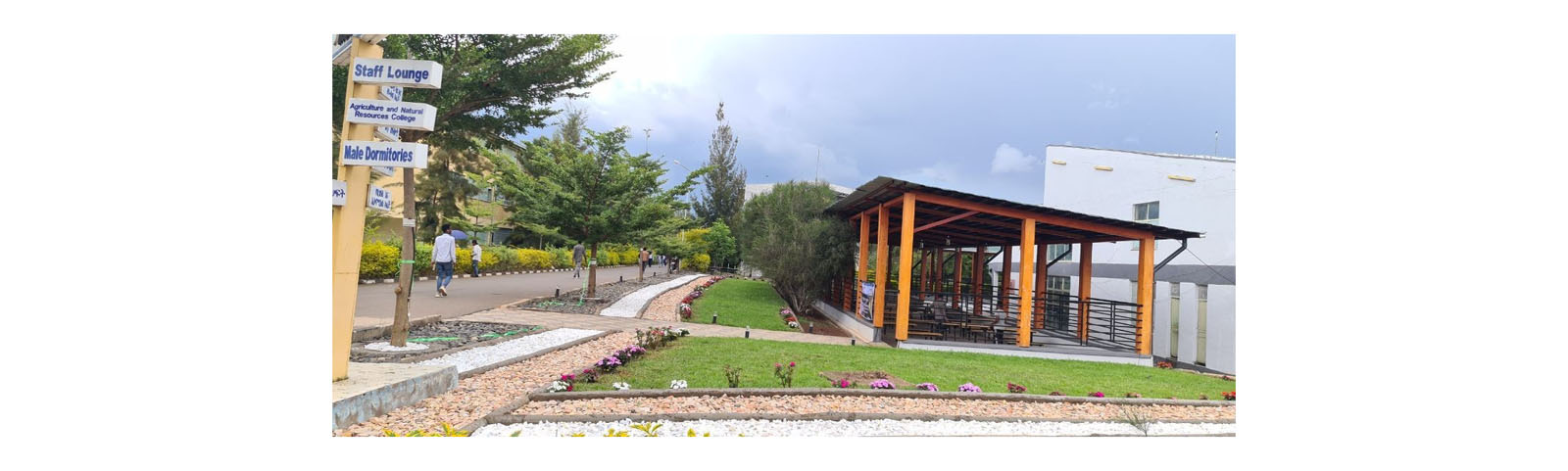
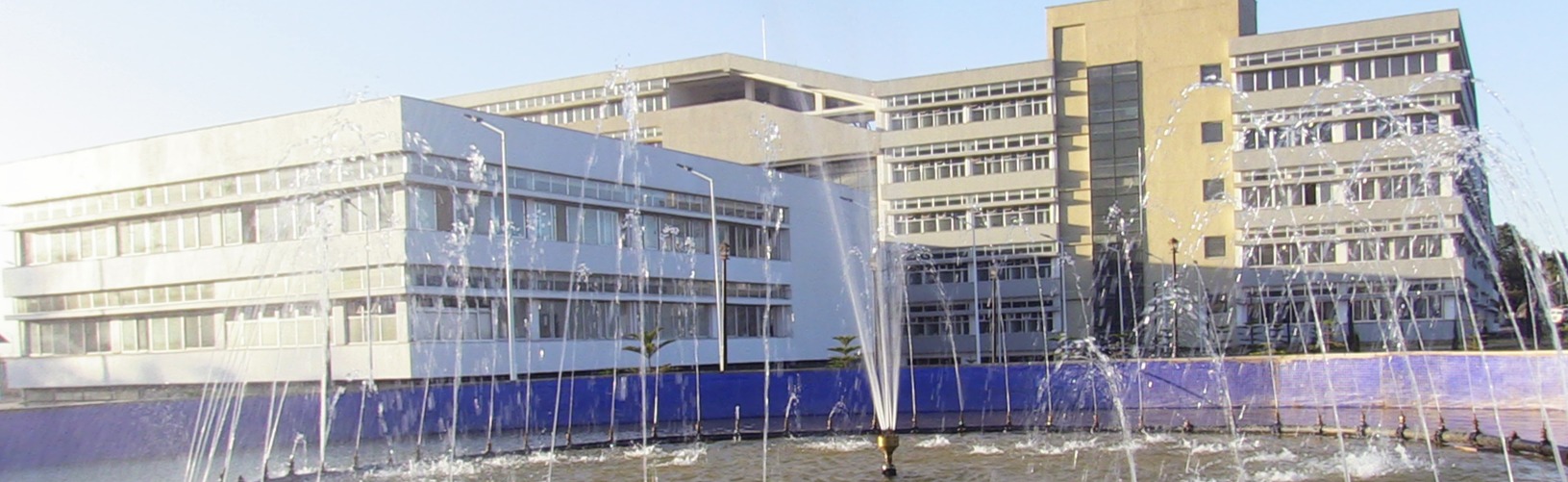
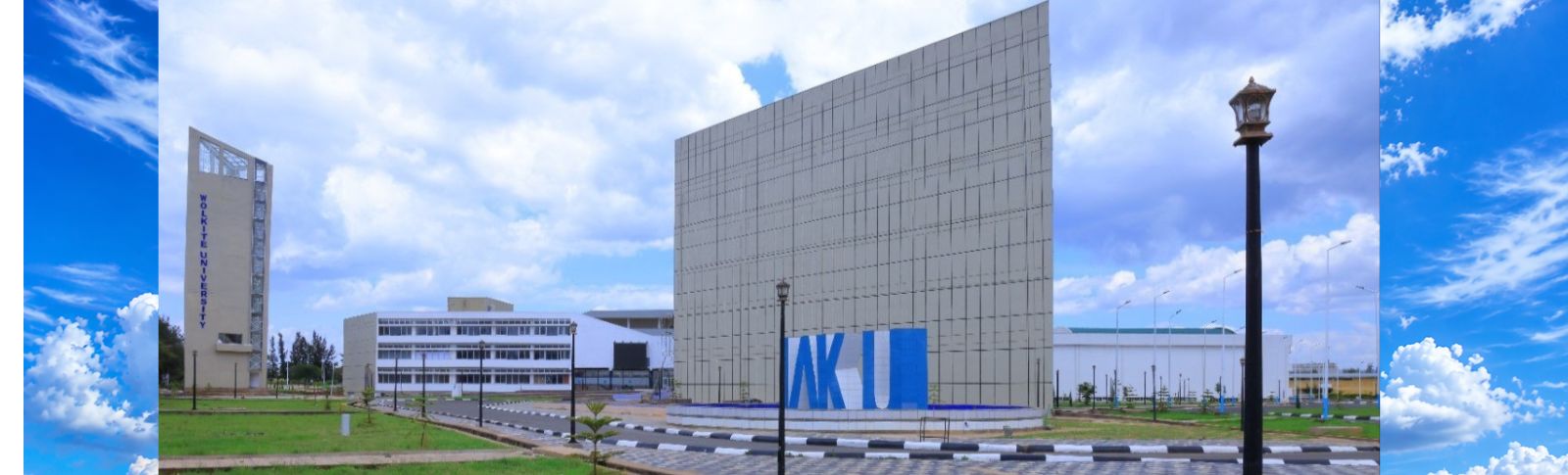
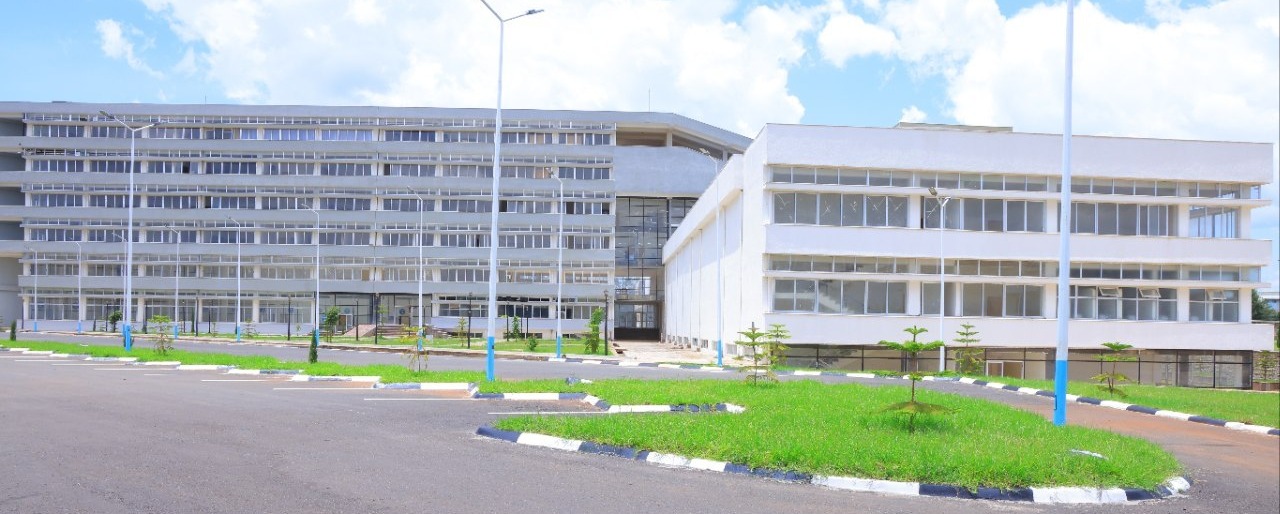
Following the completion of its initial infrastructure phase, the University transitioned to its main campus at Gubrye, located approximately 14 kilometers from Wolkite town and 174 kilometers from Addis Ababa. This relocation marked a significant milestone in institutional development, enhancing the University’s capacity to deliver quality education, expand research activities, and strengthen community engagement.
In line with its applied mission and national priorities, Wolkite University underwent rapid academic and structural expansion. In the 2013 academic year, after conducting comprehensive needs assessments and securing approval from the Ministry of Education and the University Senate, four additional colleges were established: Health Sciences and Medicine, Social Sciences and Humanities, Agriculture, and Business and Economics. In 2014, the establishment of the School of Law further diversified the University’s academic portfolio, bringing the total to seven colleges and one school, with 32 undergraduate programs and an enrollment of 2,227 students. The subsequent establishment of the College of Behavioral Sciences in 2018 increased the total number of colleges to eight.
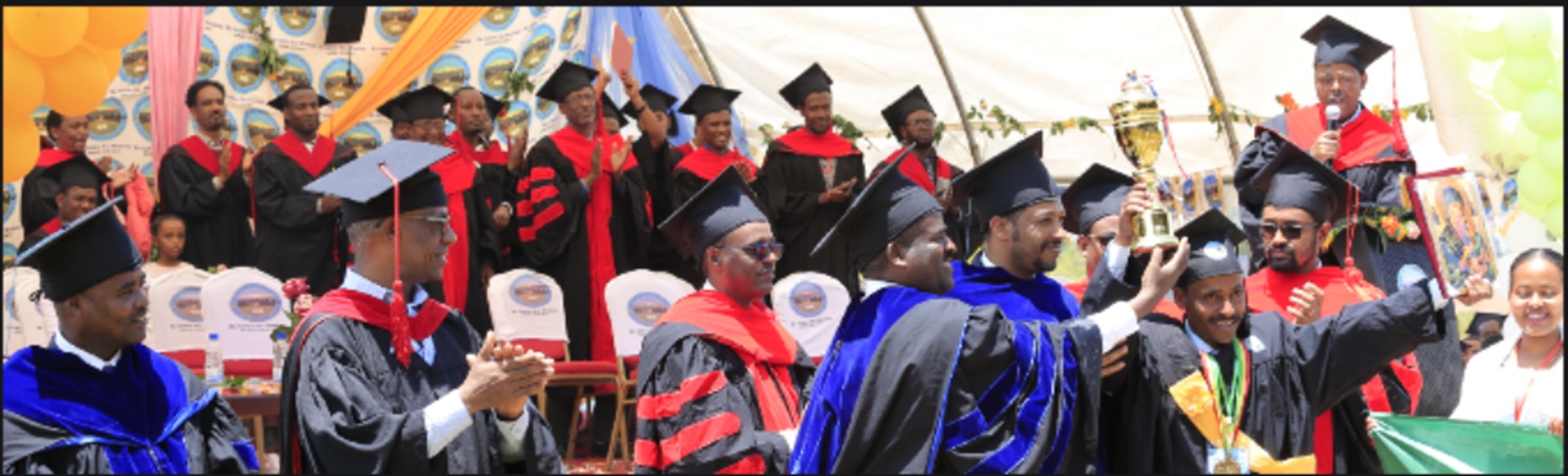
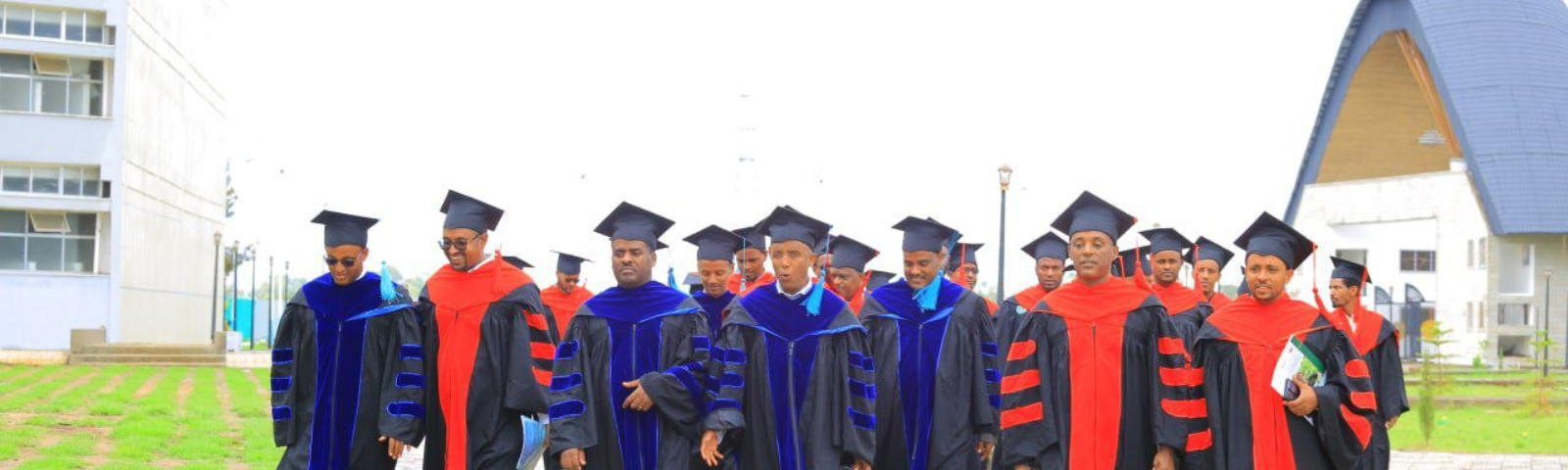
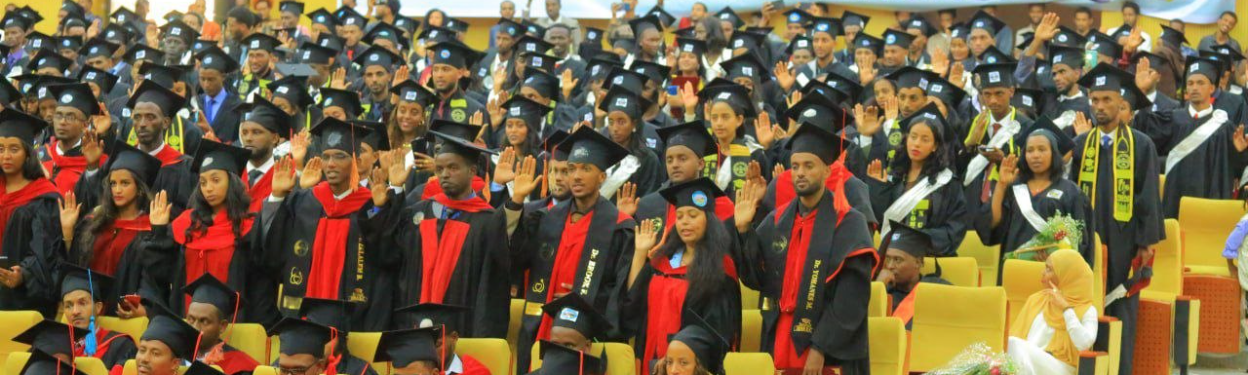
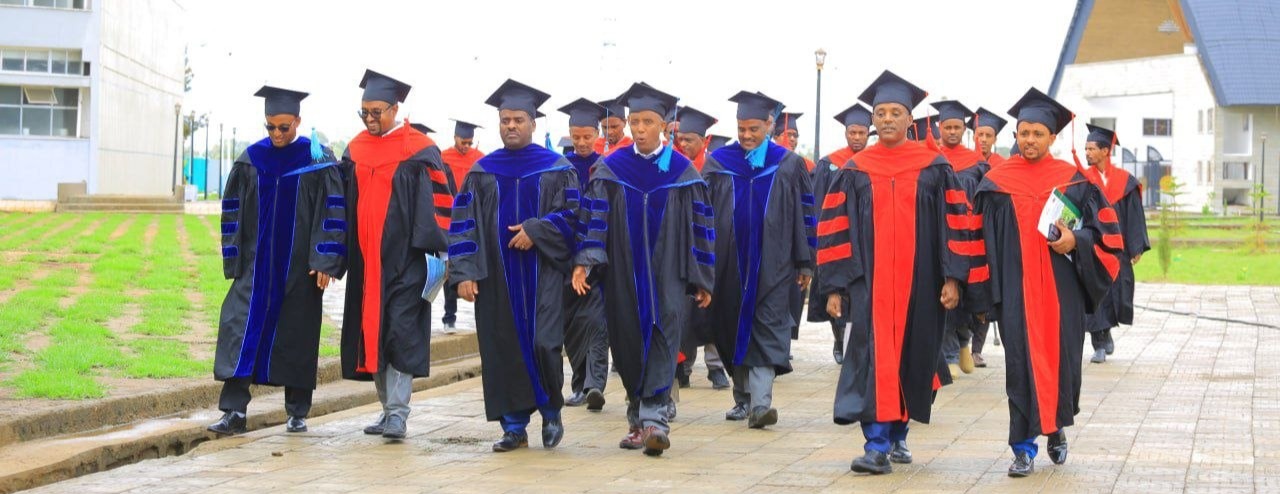
Since its inception, the University has demonstrated a strong commitment to producing qualified human resources capable of contributing to various sectors of the national economy. The first cohort of graduates, consisting of 65 students from Applied Biology and Applied Physics, marked the beginning of its output. Over the past decade, the University has produced more than 17,000 graduates, reflecting its growing role in national capacity building, technological advancement, and workforce development.
Consistent with international standards of applied science universities, Wolkite University emphasizes the integration of theory and practice, industry collaboration, and community responsiveness. Its educational approach prioritizes employability, innovation, and entrepreneurship, ensuring that graduates are equipped with the competencies required to address contemporary societal and economic challenges.
To support its long-term development and institutional effectiveness, the University has adopted a comprehensive planning and governance framework, including a ten-year development roadmap, a five-year strategic plan, and annual operational plans. These instruments guide the systematic implementation of its core missions teaching and learning, research, and community service while ensuring alignment with national development agendas.
The University’s vision is to become one of the leading applied science universities in Ethiopia by 2030. In pursuit of this vision, it upholds core institutional values that reflect both global higher education standards and local priorities. These include commitment to truth and academic freedom; institutional competitiveness and collaboration; accountability and transparency; rejection of corruption; adherence to legality and fairness; efficient resource utilization; quality service delivery; participatory governance; respect for diversity; and the promotion of innovation and creativity.